10 Dirtiest Places in Your Home
2017-09-18
Germs are everywhere, and no matter how clean you think you are, there are still germs all over your home. In order to protect yourself from certain sicknesses, you should clean your home thoroughly.
According to the Society for General Microbiology, some bacteria can divide every 20 minutes with the right temperature and nutrients. That’s why symptoms of illnesses show up so quickly after an infection. One study about the most contaminated objects in the home found over 340 different bacteria on 30 different objects.
The household germs that can make you sick are:
- Staphylococcus aureus, or staph
- yeast and mold
- Salmonella
- Escherichia coli, or E. coli
- fecal matter
But not all bacteria are harmful. Your body contains plenty of bacteria that doesn’t make you sick.
If you think your bathroom houses most of the bad germs, think again. Here, the top hot spots for bacteria and the best ways to keep them clean.
10. Cutting boards
You cut veggies, meat, fish, and more on them, and as a result, germs can fester. 18% of cutting boards had Coliform bacteria present—the family of bacteria that includes E. coli and Salmonella. Yuck!
Clean It: Use cutting boards made from nonporous materials. Wood cutting boards should be made from a hardwood, such as a maple. If possible, have a separate cutting board for raw meats to prevent the spread of bacteria to other foods. Because cutting boards may come into contact with many different foods, always wash them between use. Either place them in the dishwasher after each use or hand wash with hot soapy water. For wood cutting boards she suggests using salt, white vinegar, or lemon juice, which are all good at getting into the cracks and cleaning below the surface, then rinsing with hot, soapy water.
9. Stove Knobs
While not a place that many of us think about, stove knobs are one of the top 10 common places for germs to hide in our homes. It's no wonder—food can splatter as we cook, and sometimes as we cook, we forget to wash or wipe our hands.
Clean It: Remove the knobs, wash them in hot, soapy water and rinse well. Hot water and dishwashing soap go a long way to getting rid of germs. Often times that's all you need. This is the way we do it at Strong Cleaning London
8. Kitchen Counter Tops
Think about everything you put on your kitchen counter: raw meat, unwashed produce, grocery bags, even your handbag—the bottom of which is laden with germs. Countertops had coliform bacteria present in 30% of the homes tested.
Clean It: There are all kinds of countertops. Smooth, non-porous materials tend to harbor fewer germs. No matter what kind of countertop you have, make sure you wash your countertops once daily with hot, soapy water. Once a month you can also use a solution of one part bleach mixed with four parts water. If you have a special countertop made of marble, granite, or another specialty material, use the manufacturer's recommended cleaning/sanitizing agent. We do a deep quality cleaning on the kitchen counter tops for all end of tenancy cleaning orders
7. Pet toys
Pet toys can not only have coliform bacteria on them, they can also house yeast, mold, and Staph bacteria, none of which are healthy for you or your pet.
Clean It: First off, you and your family should always wash hands after playing with a pet. Toys made of rubber and plastic can be cleaned with hot water and dish soap once a week or once every few weeks. As for toys made of fabric, throwing them in the washing machine and washing in hot water every couple of weeks.
6. Faucet handles
We go to the sink to wash our hands, especially when cooking and have all kinds of residue on hands. Faucet handles in both the kitchen and bath contained coliform bacteria as well as yeast and/or mold.
Clean It: When you clean the sink, clean the faucet handles, too, and while you're at it, clean the refrigerator handle. I’m all about frequency. You can also clean with disinfecting cleaner or disinfecting wipes.
5. Coffee Maker
You use it all the time and always wash the pot, so what's the problem? The water reservoir. 50% of coffee makers had yeast and mold present.
Clean It: Water leaves a residue and when it sits, it can breed bacteria. Whenever you use your coffeemaker, be sure to wipe the water reservoir with a paper towel. Once a week or so it’s a good idea to flush it out with white vinegar. Add up to 4 cups undiluted vinegar to the reservoir, letting it stand for 30 minutes, then running the vinegar through the coffee maker. After you do that, run 2-3 cycles of fresh water through the machine until the vinegar smell is gone. Most manufacturers recommend cleaning every 40-80 brew cycles or at least monthly.
4. Pet food dish
Your feed your pet and often the food just sits in the dish for hours. It can be a breeding ground for germs, and not great for your pet’s health.
Clean It: Pet dishes should be washed every day, either in the dishwasher or scrubbed by hand with hot soapy water, then rinsed. If you are washing by hand, placing the dish in a 1:50 bleach rinse (1 cap bleach in 1-gallon water) and soak the dish for about 10 minutes once a week. Then rinse it thoroughly.
3. Toothbrush holder
You try to rinse your toothbrush well after you brush your teeth, but gunk always ends up dripping off of it into the holder. 27% of toothbrush holders had coliform bacteria and 14% had Staph.
Clean It: You can wash your toothbrush holder in the dishwasher once or twice a week or wash it with soap and warm water and wipe it with a disinfecting wipe once or twice a week.
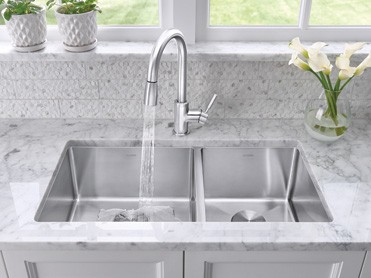
2. Kitchen sink
Think about what we put in the sink. We put food scraps in there, and there are dirt and bacteria from things we wash off like potatoes and other vegetables. People also use their kitchen sinks to wash other household items. It’s no wonder that 45% of the kitchen sinks had potentially harmful coliform bacteria.
Clean it: Wash your sink once or twice a week with a disinfecting cleaning. You can also sanitize the drain and disposal by pouring a solution of one teaspoon of bleach mixed with one quart of water, down the drain. Based on our experience, this is the of the most underrated places from cleaning companies.
1. Kitchen sponge
If you didn’t know it already, the single germiest item in your home is your average kitchen sponge. More than 75% of sponges and kitchen rags had coliform bacteria on them. The problem with sponges is that we use them to wipe up everything, don't always clean them, and moisture stays inside them, which creates an environment for bacteria to grow.
Clean It: Your sponge needs to be cleaned and sanitized daily. Place it in the microwave daily for two minutes so the heat can zap the bacteria. Alternatively, pop your sponge into the dishwasher when you are doing a load. Recommends replacing your sponge every two weeks or so. And instead of using a sponge, consider using a microfiber cloth. Microfiber is designed to grab dirt and absorb liquids, and then you can just throw it in the washing machine and dryer.